Ceramic Coating
We install ceramic coatings every day, so you might expect us to say "absolutely, everyone should get one." But the honest answer is more nuanced: ceramic coating is worth it for most car owners in Chicago, but not for everyone. This analysis gives you the real numbers so you can decide for yourself.
When you pay $500 to $2,500 for a professional ceramic coating, the money covers three things:
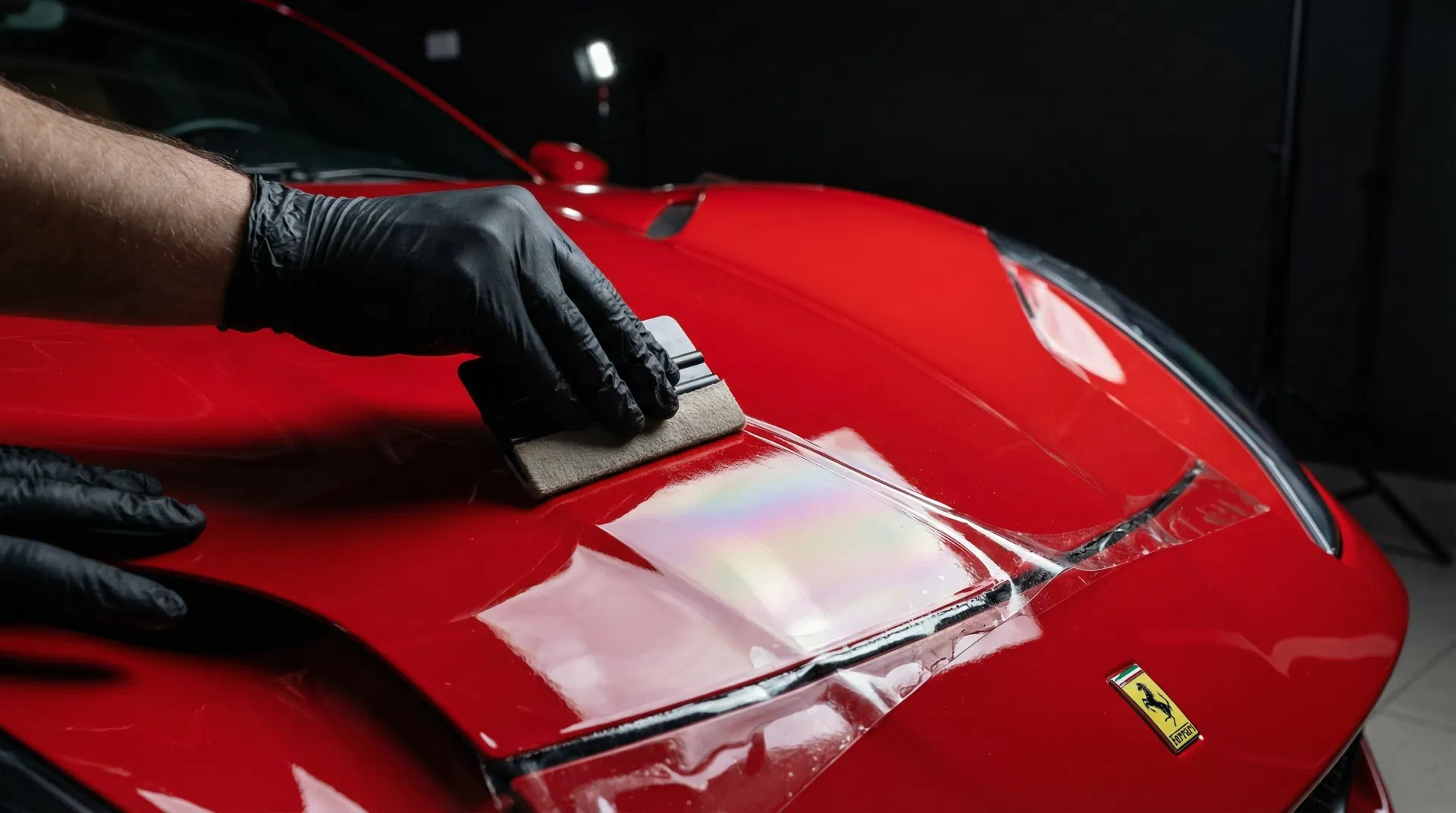
Paint preparation. This is where most of the labor goes. Before any coating touches your car, the paint needs to be decontaminated (iron removal, clay bar treatment) and corrected (polishing out swirl marks, scratches, and oxidation). Skipping this step means you are locking imperfections under a semi-permanent coating. A proper single-stage polish takes two to four hours. Multi-stage correction for neglected paint can take eight hours or more. The coating product itself. Professional-grade ceramic coatings from brands like Ceramic Pro, Gtechniq, and IGL Coatings cost $100 to $400 per bottle at wholesale. A single vehicle typically requires one to three bottles depending on the number of layers. These products are not available at retail — they require certified installer training to apply correctly. Controlled application and curing. The coating must be applied in a dust-free, climate-controlled environment at the right temperature and humidity. Each layer needs to flash (partially cure) before the next layer is applied, and the final cure takes 24 to 48 hours. This is not something you can replicate in a garage with a YouTube tutorial.Let us compare the total cost of ownership for three realistic scenarios over five years. We will use a midsize sedan as the baseline.
| Cost Category | No Protection | Wax (Professional, Quarterly) | Ceramic Coating (Mid-Tier) |
| Initial Investment | $0 | $0 | $1,200 |
| Quarterly Maintenance | $0 | $150/visit × 20 = $3,000 | $0 |
| Annual Boost Spray | $0 | $0 | $30 × 5 = $150 |
| Car Washes (Reduced Need) | $40/mo × 60 = $2,400 | $40/mo × 60 = $2,400 | $25/mo × 60 = $1,500 |
| Paint Correction (Year 5) | $500–$800 | $200–$400 | $0 |
| 5-Year Total | $2,900–$3,200 | $5,400–$5,800 | $2,850 |
The numbers tell a clear story. A ceramic-coated car costs less to maintain over five years than a car that gets professional waxing — and it costs about the same as doing nothing, while keeping the paint in dramatically better condition.
The "no protection" scenario looks cheap on paper, but it hides a cost: by year five, unprotected paint in Chicago will have noticeable oxidation, swirl marks, and chemical etching from road salt. Correcting that damage costs $500 to $800, and the paint will never look as good as it would have with protection from the start.
Let us be specific about what a ceramic coating does and does not do, because the internet is full of exaggerated claims.
It does protect against:Understanding these limits is important. If someone tells you ceramic coating makes your car scratch-proof or eliminates the need for washing, they are either misinformed or trying to oversell you.
While it is difficult to put an exact dollar figure on it, ceramic coating does help maintain resale value. A five-year-old car with well-maintained ceramic coating will have paint that looks significantly better than the same car without protection. In the used car market, appearance matters — buyers make snap judgments based on how the paint looks.
More tangibly, a coated car avoids the $500 to $800 paint correction that an uncoated car would need before sale. That alone recovers a significant portion of the coating's cost.
For most Chicago drivers who plan to keep their car for two or more years, a mid-tier ceramic coating package ($800 to $1,500) is a smart investment. It pays for itself in reduced maintenance costs, protects against Chicago's harsh conditions, and keeps your car looking better for longer.
If the upfront cost is a barrier, start with our Essential package at $499. It provides a single-layer coating with a one-to-two-year warranty — enough to experience the benefits and decide if you want to upgrade to a longer-lasting package when it is time to reapply.
We never pressure anyone into a coating they do not need. [Get a free quote](/contact) and we will give you an honest assessment of whether ceramic coating makes sense for your specific car and situation.
---
With proper maintenance, a professional ceramic coating lasts two to seven-plus years depending on the product tier. Our Essential package lasts one to two years, Protection Plus lasts three to five years, and Diamond carries a lifetime warranty. "Lifetime" means the life of the coating — if it fails under normal conditions, we reapply it at no charge.
Consumer-grade ceramic coating kits exist for $50 to $150, but we do not recommend them for several reasons. They use lower-concentration formulas that last months instead of years, they require proper paint preparation that most DIYers skip, and application errors (high spots, streaks, uneven coverage) are difficult to fix once the product cures. Professional application ensures proper prep, controlled conditions, and a warranty.
Yes — and winter is actually when it provides the most value. The hydrophobic surface prevents salt and brine from bonding to the paint, making winter washes more effective. The chemical resistance protects against the corrosive effects of road salt. Many of our customers get coated specifically to prepare for Chicago winters.
Wash with a pH-neutral car soap every two to four weeks (more often in winter). Avoid automatic car washes with abrasive brushes. Apply a ceramic boost spray every three to six months to maintain peak hydrophobic performance. That is it — no waxing, no polishing, no sealant applications.